
When 201 Stainless Steel Makes Sense
Grade 201 swaps some nickel for manganese, cutting cost for interior fit-outs. Learn where it works, where it rusts, and how to specify it in dry interiors.
What grade 201 actually is
Grade 201 is an austenitic stainless steel developed as a lower-cost alternative to 304. It typically contains about 16 to 18 percent chromium and 3.5 to 5.5 percent nickel, with manganese added to stabilise the austenitic structure while reducing the more expensive nickel content. This substitution keeps the material bright, formable and non-magnetic in its annealed state, which is why it looks almost identical to 304 on a showroom shelf. The trade-off is corrosion resistance: manganese does not offer the same protection as nickel and molybdenum when chlorides and moisture are present. For buyers working to a tight interior budget, that difference may be acceptable if the environment is controlled. Grade 201 is commonly supplied as coils and sheets in decorative finishes, and it is widely used for architectural trim, elevator cabin panels, shop fittings and light structural parts. Understanding what you are actually buying is the first step to using it without surprises on site.
Where 201 is a smart choice
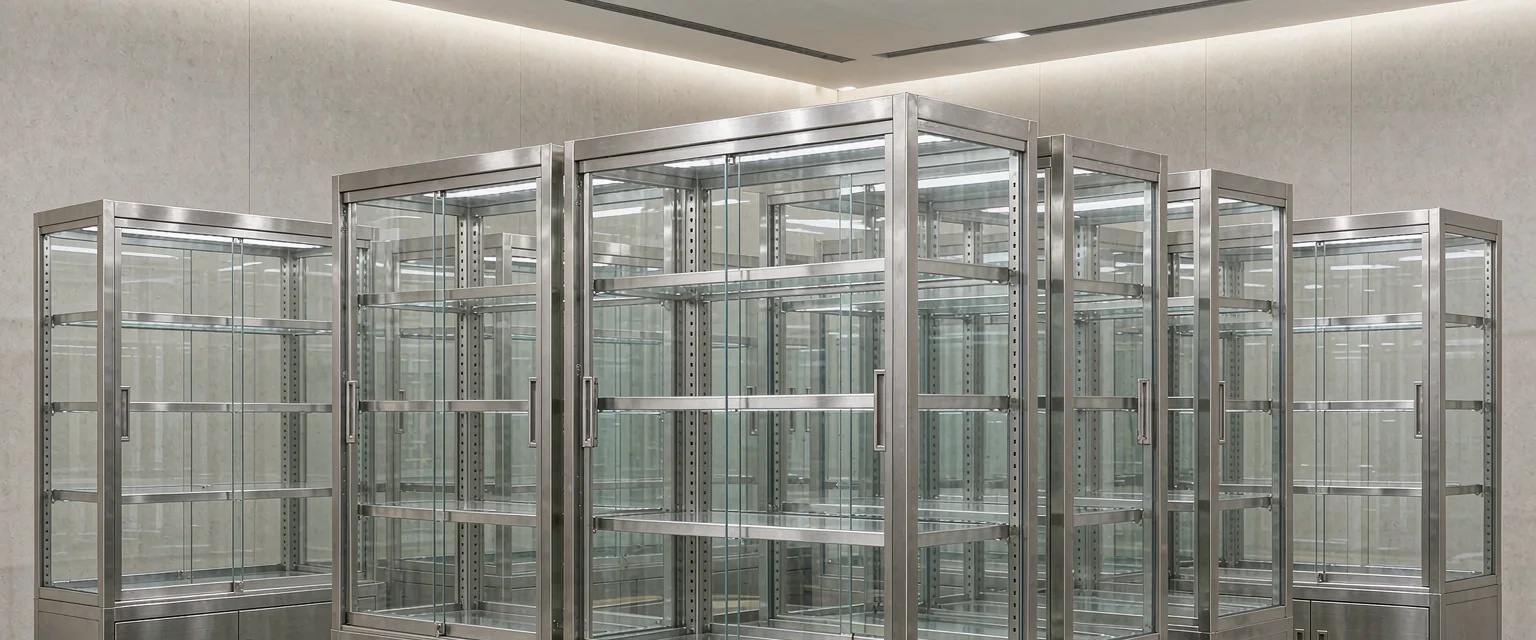
Grade 201 earns its place in dry, controlled interiors where appearance matters more than extreme corrosion resistance. Think of shopping mall shopfronts, department store fixtures, jewelry display cabinets, elevator cabin linings, decorative column covers and exhibition stands that are dismantled after a short run. In these settings the surface is wiped regularly, air conditioning keeps humidity moderate, and there is no salt spray or chemical cleaning regime. A brushed or PVD-coloured 201 panel delivers the same visual result as 304 at a lower material cost, which can free budget for better lighting or more units. Short-life fit-outs are another sensible case: a pop-up store or a temporary booth does not need a twenty-year corrosion warranty. If you are comparing quotes, check that both suppliers are quoting the same grade, because a lower price often reflects 201 being substituted for 304 without being stated. Ask for the grade in writing and request a sample you can test with a magnet or a simple acid test kit before committing to a large order.
The limits you must respect
The most common mistake with 201 is using it where moisture and chlorides collect. Avoid it for coastal properties, poolside joinery, wet kitchens, bathroom fittings, outdoor signage and any surface that is cleaned with bleach or harsh chemicals. In those locations, tea-coloured rust stains can appear at welds, cut edges and fixings, sometimes within a single monsoon season. Grade 201 is also less forgiving during fabrication: overheated welds and contaminated grinding tools can leave points that corrode prematurely, so dedicated brushes and careful heat control are worth specifying. If a project mixes 201 and 304 in the same visible assembly, expect a slight colour difference after polish, since the two alloys take finishes a little differently. For a humid back-of-house area or a rack that carries wet goods, spend the extra on 304 instead. When in doubt, describe the exact environment to your supplier and ask them to confirm the grade in writing. We reply within 24 working hours and can advise on custom cabinets, screens, colored sheets, racks and bent parts against your drawings.
Factory and project images are AI-generated illustrations, not photographs of a real facility or completed project.
Have a drawing ready?
Send it on WhatsApp or by email. Get grade, finish, MOQ and lead time back within 24 working hours.